Best Restaurants in Mostar Old Town
Understanding the Mostar Dining Scene
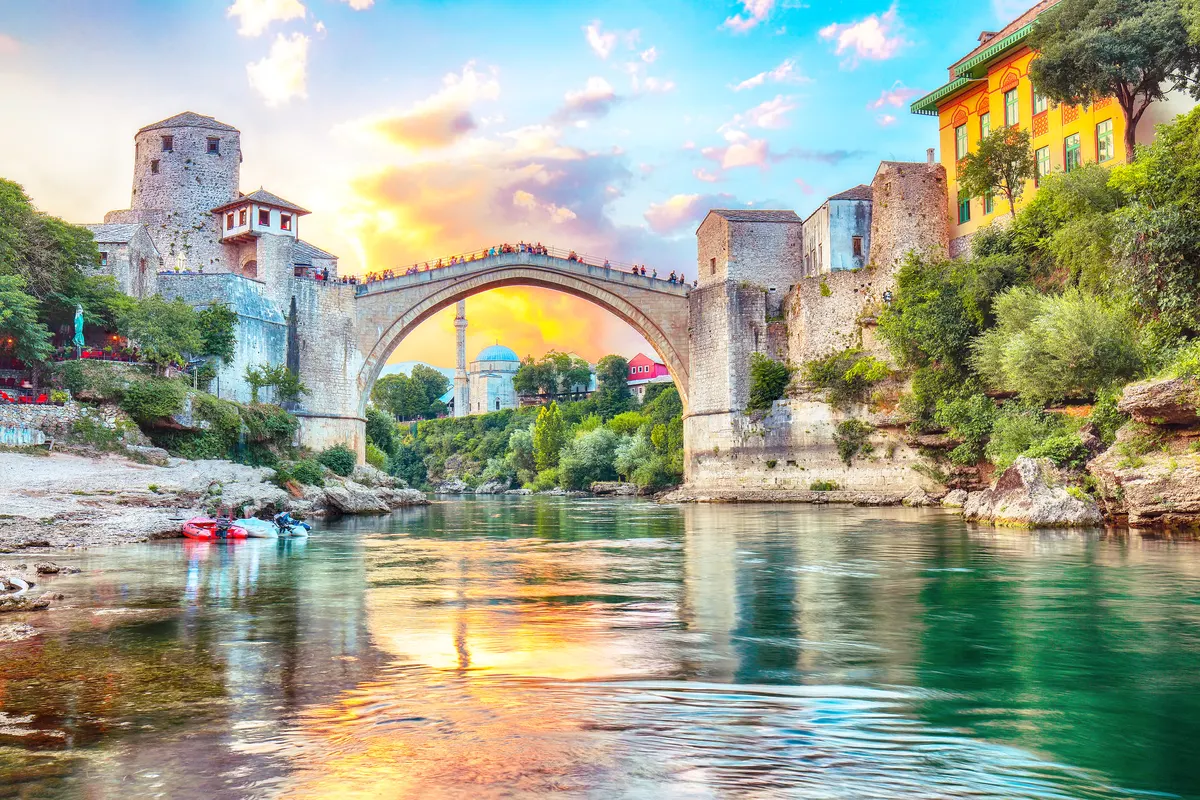
Mostar's Old Town is compact — you can walk from one end to the other in fifteen minutes — but it packs an impressive density of restaurants into its narrow stone streets. The challenge is not finding a place to eat; it is finding the right one. Like any popular tourist destination, Mostar has its share of restaurants that trade on location rather than quality, and knowing how to tell the difference will transform your dining experience.
The first thing to understand is that Mostar's restaurant culture operates on a different clock than most European cities. Lunch is the main meal, typically served between noon and three, and this is when many traditional kitchens are at their best. Evening dining tends to be more relaxed and social — plates of mezze, grilled meats, local wine, and long conversations that stretch past midnight. Do not expect rushed service; meals here are meant to be savoured.
What to Look For
Before we get into specific recommendations, here are the signs of a restaurant that takes its food seriously in Mostar:
- Sač on the menu: If a restaurant offers sač-cooked dishes (meat under the iron bell), it means they have invested in the equipment and the time. Sač dishes take hours to prepare — a restaurant that offers them is not cutting corners.
- Local wine and rakija: Herzegovina produces excellent wines, particularly from the Žilavka (white) and Blatina (red) grape varieties. A restaurant with a good local wine list cares about the details.
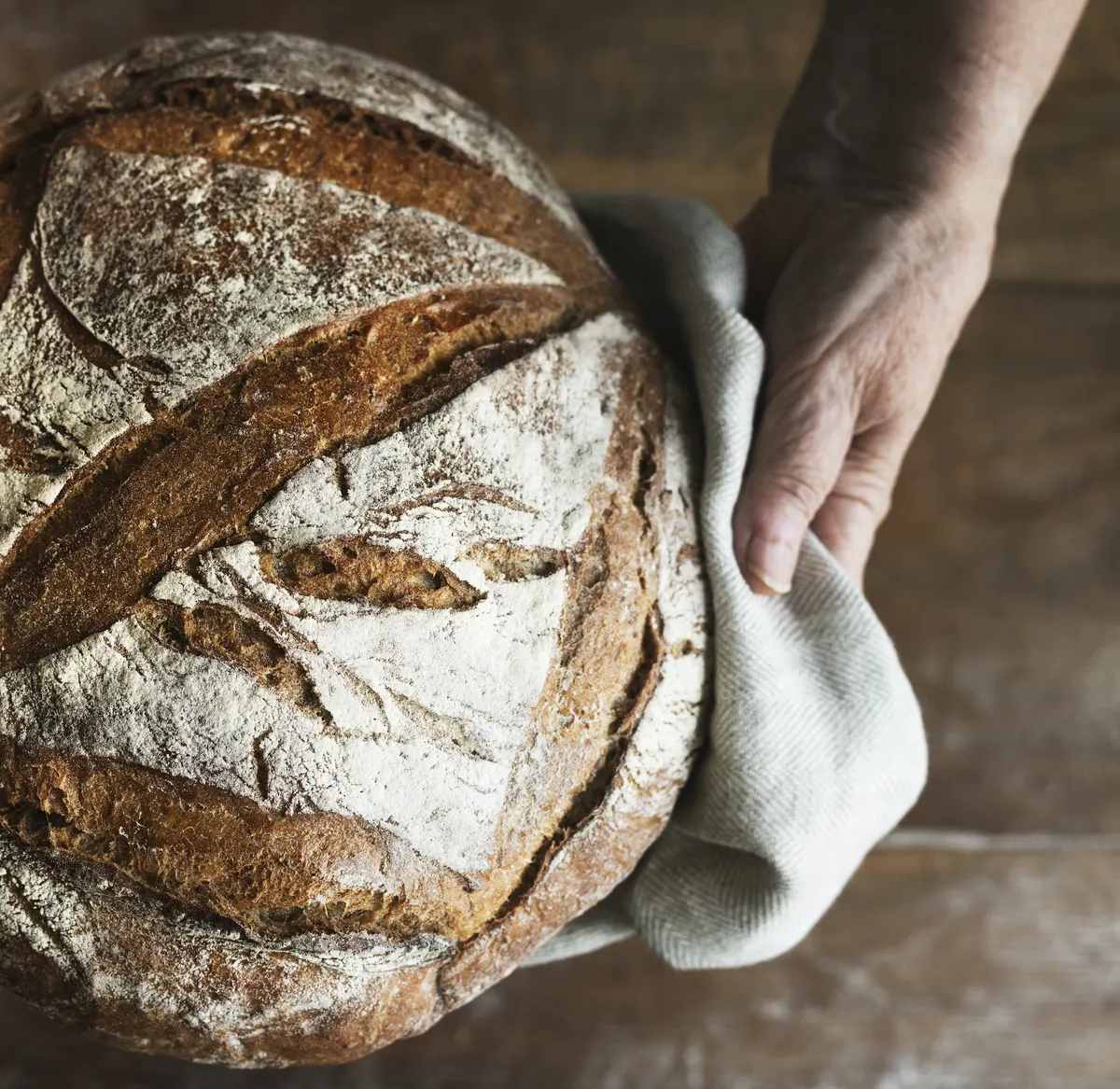
- Fresh bread: Whether it is somun, lepinja, or a rustic loaf, the bread should arrive warm. Cold, pre-packaged bread is a red flag.
- Locals eating there: The most reliable indicator. If the clientele is entirely tourists, proceed with caution. If you hear Bosnian being spoken at neighbouring tables, you are probably in good hands.
Traditional Bosnian Kitchens
The backbone of Mostar's restaurant scene is the traditional Bosnian kitchen — restaurants that serve the dishes your grandmother would have made if she grew up in Herzegovina. These places specialise in slow-cooked stews, grilled meats, stuffed vegetables, and the kind of hearty, honest food that does not need a garnish to make an impression.
Look for menus that feature bosanski lonac (the layered meat and vegetable stew), japrak (stuffed grape leaves), dolma (stuffed peppers), and klepe (Bosnian dumplings in a garlic yoghurt sauce). The best traditional kitchens use recipes that have not changed in decades — not because of stubbornness, but because the recipes were already perfect.
Price expectations in traditional restaurants are remarkably reasonable. A full meal with appetiser, main course, bread, and a drink will typically run between 15 and 25 euros per person. Sač dishes, because of the labour involved, will be at the higher end of the range.
Riverside Dining
One of the great pleasures of eating in Mostar is dining alongside the Neretva River. Several restaurants on both banks offer terraces with views of the emerald-green water and, from certain angles, the famous Stari Most bridge itself. The setting is genuinely spectacular, especially in the evening when the bridge is illuminated and the sound of the river provides a natural soundtrack.
A word of honest advice: riverside restaurants in Mostar vary enormously in quality. Some have leveraged their prime location to serve excellent food; others rely entirely on the view. The restaurants on the east bank (the Kujundžiluk side) tend to be more tourist-oriented, while the west bank restaurants often offer better value and more authentic cooking. That said, there are exceptions in both directions.
If you choose a riverside spot, go for the terrace at sunset, order a bottle of local Žilavka wine, start with a mezze plate, and take your time. The setting does the heavy lifting — you just need the food to keep up.
Timber & Stone Tavern: Medieval Dining Reimagined
For something entirely different from the typical Old Town restaurant experience, Timber & Stone Tavern offers dining rooted in the medieval Bosnian Kingdom. The concept is built around the idea that Bosnian food traditions stretch back far beyond the Ottoman period — to the medieval kingdom that ruled these lands from the 12th to the 15th century.
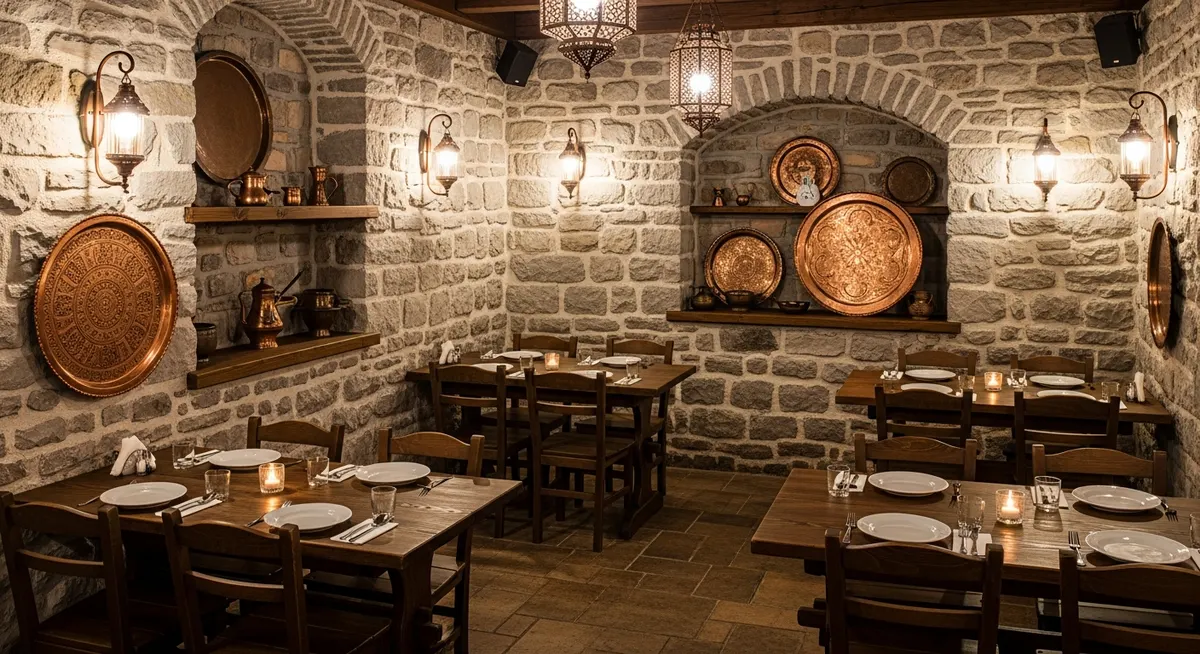
The restaurant itself is designed around long communal oak tables set against stone walls, with an open hearth at its centre. The menu focuses on sač-cooked meats — lamb and veal prepared under the iron bell for up to eight hours — along with clay-pot stews, hearth-grilled dishes, and accompaniments made from local Herzegovinian ingredients. The wine list highlights small producers from the Neretva valley, and the rakija selection includes varieties you will not find in most Mostar restaurants.
"The medieval Bosnian Kingdom had a food culture that most people have never heard of. At Timber & Stone, you taste what that tradition was."
What sets Timber & Stone apart is the commitment to authenticity over convenience. Sač dishes require advance notice — you need to call at least eight hours ahead at +387 62 607 906 — because there is no way to rush the process. The iron bell goes over the embers in the morning so your lamb is ready by evening. This is dining as it was meant to be: slow, deliberate, and deeply satisfying.
Tips for Dining in the Old Town
A few practical notes to help you make the most of your meals in Mostar:
- Reservations matter for dinner. The best restaurants fill up quickly, especially during summer. For sač dishes anywhere in town, advance booking is essential.
- Cash is still common. Many traditional restaurants prefer cash, though card acceptance is improving. Carry some convertible marks (BAM) just in case.
- Ask about daily specials. Many Bosnian kitchens prepare certain dishes only on certain days, depending on what was available at the market that morning. The daily special is often the best thing on offer.
- Try the local drinks. Herzegovinian wines are genuinely excellent and dramatically underpriced compared to Western European equivalents. Žilavka (white) and Blatina (red) are the signature grapes. For something stronger, ask for a homemade rakija — loza (grape brandy) is the Herzegovinian specialty.
- Do not skip dessert. Tufahija (poached apple with walnuts), baklava, and hurmasice are all worth ordering. Finish with a Bosnian coffee — it is not Turkish coffee, and calling it that will earn you a gentle correction.
The Best Meal Is the One You Plan
Mostar rewards the diner who does a little homework. The best sač lamb in town needs to be ordered hours in advance. The best riverside tables go to those who book ahead. The best traditional kitchens are the ones slightly off the main tourist path that you would only find if someone told you where to look.
This guide is that someone telling you where to look. Whether you want a quick plate of cevapi from a market stall, a long riverside dinner with local wine, or a medieval feast cooked under the iron bell, Mostar has a table waiting for you.
Ready to experience Mostar's most unique dining concept? Reserve your table at Timber & Stone Tavern and let us prepare something unforgettable.