Rakija Guide: Bosnia's Traditional Spirit
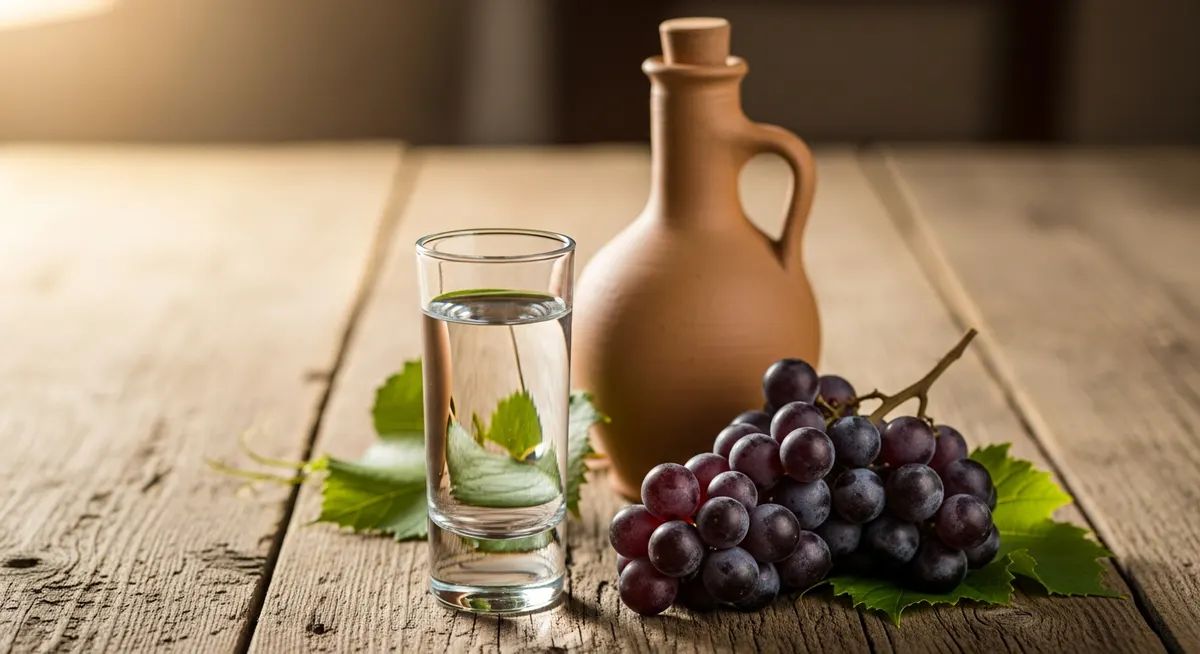
What Is Rakija?
Rakija is a fruit brandy — a clear, potent spirit distilled from fermented fruit, typically ranging between 40 and 55 percent alcohol by volume (though homemade versions can climb higher). It's the national drink of Bosnia, Serbia, Croatia, and much of the Balkans, and every region claims theirs is the best. The word itself traces back to the Arabic "arak" (sweat, or distillate), arriving with the Ottoman centuries.
But rakija in Bosnia isn't an imported tradition wearing local clothes. Fruit distillation here predates Ottoman rule, rooted in the orchards and vineyards that have covered Herzegovina's slopes since antiquity. Every family with a fruit tree has, at some point, made rakija from it. It's domestic, personal, and deeply tied to the land.
The Varieties: A Spirit for Every Fruit
Loza (Grape Rakija)
Herzegovina's signature spirit. Loza is distilled from grape pomace — the skins, seeds, and stems left after winemaking — or sometimes from whole grapes. It's the Balkan equivalent of Italian grappa, but Herzegovina's warmer climate and indigenous grape varieties (zilavka and blatina) give loza a character entirely its own: slightly floral, smooth when well-made, with a clean burn that warms without searing.
The Neretva valley and the hills around Citluk, Medjugorje, and Stolac are the heartland of loza production. Many families here have distilled grape rakija for generations, using copper pot stills passed down like heirlooms. The best loza is double-distilled and rested in glass (never oak — oak would make it something else) for at least a year before drinking.
Sljivovica (Plum Rakija)
The most widespread rakija across the Balkans. Sljivovica (pronounced roughly "shlee-vo-vitza") is distilled from fermented plums, and Bosnia's central highlands produce some of the finest. The flavour is rounder and sweeter than loza — distinctly fruity, with a warmth that sits comfortably in the chest. Sljivovica is the default rakija in much of Bosnia proper (as opposed to Herzegovina), and the one most visitors encounter first.
Kruska (Pear Rakija)
Delicate and aromatic, kruska (pear rakija) is prized for its fragrance. Good kruska smells exactly like ripe pears — the flavour follows the nose. It's less common than sljivovica or loza, partly because pears yield less juice and partly because the distillation requires more care to preserve the fruit's subtle aromatics. When you find a good one, it's exceptional.
Medovaca (Honey-Grape Rakija)
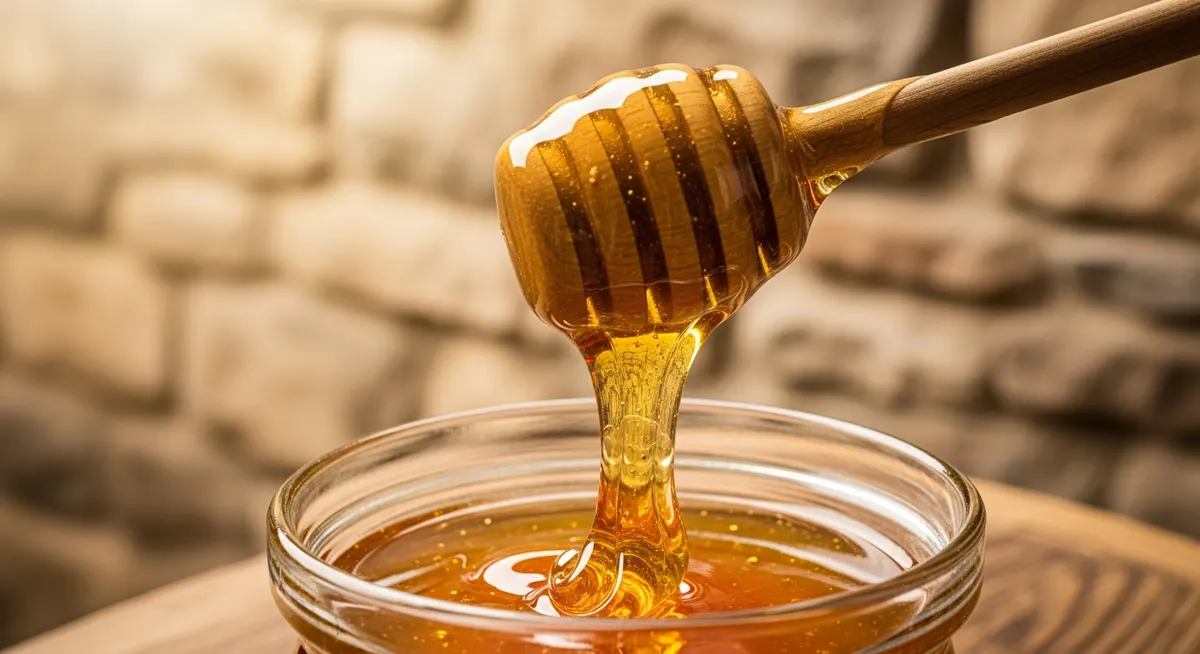
This is where Herzegovina's two great traditions — beekeeping and viticulture — converge. Medovaca is loza infused with local honey, then rested until the two flavours marry into something greater than either alone. The honey softens the spirit's edge and adds a golden sweetness that's rich but never cloying. Herzegovina's wildflower and sage honeys are particularly prized for this purpose.
At Timber & Stone Tavern, medovača is our specialty — we source it from a family distiller in the hills above Mostar who uses single-varietal sage honey from his own hives. Served in a small glass, the proper way, alongside a good meal.
Travarica (Herbal Rakija)
Travarica is rakija infused with a blend of wild herbs — typically collected from the karst hillsides of Herzegovina, where the rocky soil and Mediterranean sun produce intensely aromatic plants. The herb blend varies by maker (and most guard their recipes), but common ingredients include sage, rosemary, rue, wormwood, and various mountain herbs that don't have English names. The result is complex and slightly medicinal — Bosnians genuinely use it as a folk remedy for everything from stomach trouble to the common cold. Whether it works is debatable. Whether it tastes interesting is not.
How Rakija Is Made
The process is ancient and, at its heart, simple. Fruit is harvested, crushed, and left to ferment in large barrels for several weeks. The natural sugars convert to alcohol, producing a low-proof fruit wine. This is then heated in a copper pot still (a kazan) — the alcohol evaporates first, rises through the still's neck, condenses in a coiled pipe cooled by running water, and drips out as raw spirit.
The first distillation produces a rough, high-alcohol liquid called "soft rakija." Most quality producers distil twice — the second pass refines the spirit, removing harsh compounds and concentrating the fruit character. The distiller must separate the "head" (first runnings, harsh and dangerous), the "heart" (the good spirit), and the "tail" (the late runnings, oily and unpleasant). This separation is done by taste and experience — there's no instrument that replaces a skilled nose.
In Herzegovina, distillation season is autumn. Drive through the countryside in October and November and you'll see the smoke rising from backyard stills, smell the sweet-sharp scent of fermenting fruit, and — if you stop and show interest — almost certainly be invited to taste the new batch.
The Culture of Drinking Rakija
Rakija is an aperitif, not a session drink. A small glass before the meal — that's the tradition. It opens the appetite, settles the stomach (Bosnians firmly believe this), and marks the transition from the business of the day to the pleasure of the table.
The toast is "zivjeli" — pronounced "zhee-vye-lee" — meaning "let us live" or simply "cheers." You look everyone in the eye as you clink glasses. You take a sip, not a shot. Rakija is meant to be tasted, not thrown back. Anyone who shoots their rakija in a single gulp will be gently corrected — or at least given a look.
"Zivjeli — let us live. In Bosnia, every glass of rakija carries that wish."
Homemade rakija (domaca rakija) carries special status. When a Bosnian offers you their family's rakija, it's a gesture of trust and hospitality — refusing it would be like turning down a handshake. The quality varies wildly. Some homemade rakija is sublime. Some will rearrange your evening plans. Accept graciously either way.
Drinking Horns at Timber & Stone
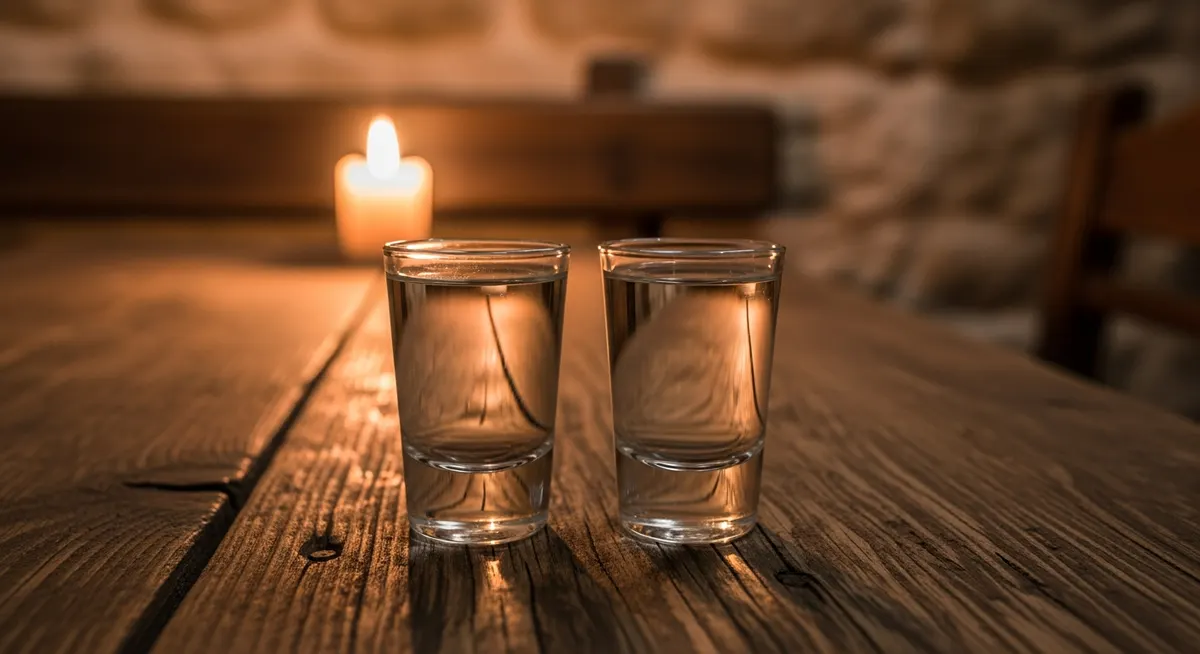
At Timber & Stone Tavern, you can drink beer from hand-engraved drinking horns — carved with medieval Bosnian stećak motifs that echo the tombstone carvings found across Herzegovina's hillsides. The spirals, vines, and figures on each horn are drawn directly from stećak iconography, connecting every sip to six centuries of Bosnian tradition. Our rakija, meanwhile, is served the proper way — in small glasses, as it should be.
Our rakija menu features loza from Herzegovina's Neretva valley, sljivovica from central Bosnia, and our house specialty: medovaca made with local sage honey. We also carry a small selection of aged travarica for the adventurous.
Come taste the tradition. Call +387 62 607 906 or reserve your table online — and arrive thirsty. Zivjeli.