Vegetarian & Gluten-Free Eating in Mostar
Naturally Vegetarian Bosnian Dishes
The Ottoman centuries left Bosnia with a vegetable cookery tradition that many visitors never discover. Ottoman palace cuisine valued vegetables as centrepieces, not afterthoughts, and that sensibility embedded itself in Bosnian home cooking. Here are the dishes worth seeking out.
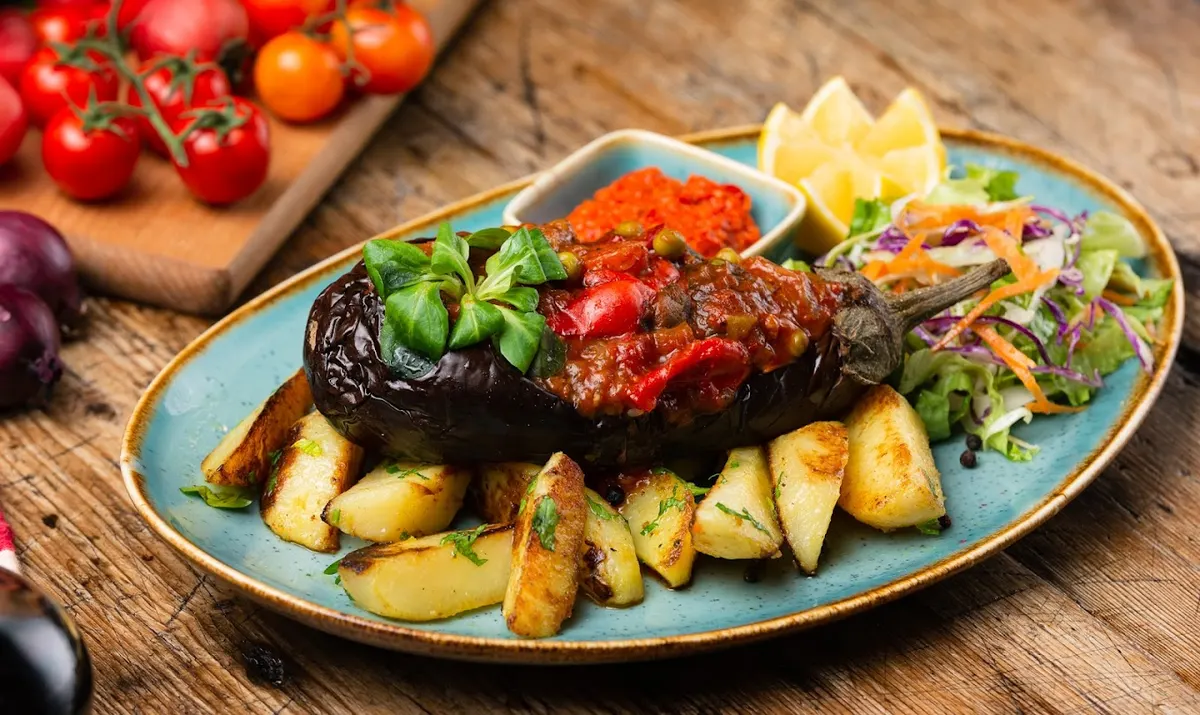
Imam Bayildi (Stuffed Eggplant)
The name translates to "the imam fainted" — legend says he swooned from the sheer deliciousness. Whole eggplants are split and stuffed with a slow-cooked mixture of onions, tomatoes, garlic, and peppers, then baked until the flesh collapses into silky softness. The dish is naturally vegan, deeply flavourful, and substantial enough to anchor a meal. The Herzegovinian version benefits from exceptional local eggplants — the warm, dry climate produces fruit with concentrated flavour and minimal bitterness.
Japrak (Stuffed Grape Leaves)
Japrak — called sarma when made with cabbage leaves — is one of Bosnia's defining dishes. The standard version uses minced meat in the filling, but the meatless version (posni japrak, prepared during Orthodox and Catholic fasting periods) substitutes rice, onions, and herbs. The grape leaves are picked young in spring, blanched, and rolled tightly around the filling. They're braised in a pot with tomato, lemon juice, and oil until tender.
Ask specifically for "posni japrak" or "japrak bez mesa" (without meat) — many restaurants can prepare it, but it's not always on the menu unless you request it.
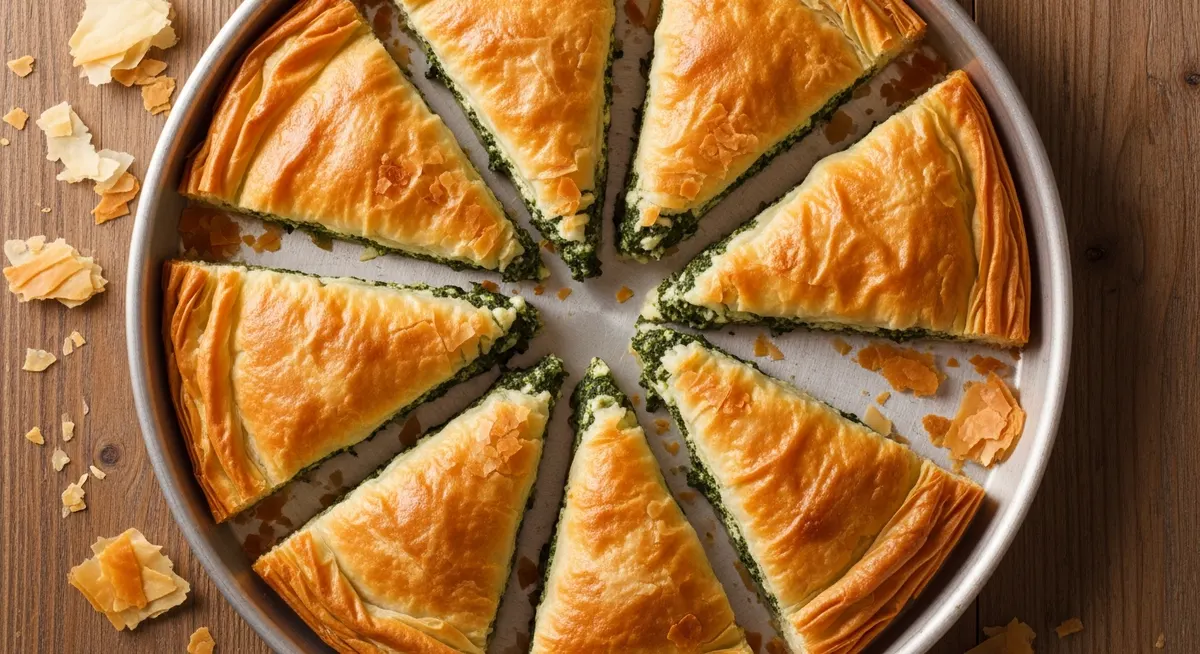
Spinach Pita (Zeljanica)
Bosnian pita is nothing like pizza-shop pita bread. It's a category of savoury pastries made with hand-stretched phyllo dough (jufka) filled with various ingredients. Zeljanica — spinach pita — layers the thin dough with a mixture of fresh spinach, onion, and often a crumble of Bosnian cheese. It's baked in a large round pan and cut into wedges or squares. The phyllo shatters when you bite it, giving way to the earthy, slightly mineral filling.
Note for gluten-free diners: pita is made entirely of wheat dough, so this one is off limits. But for vegetarians, zeljanica is one of the most satisfying dishes in Bosnia.
Seasonal Salads and Sides
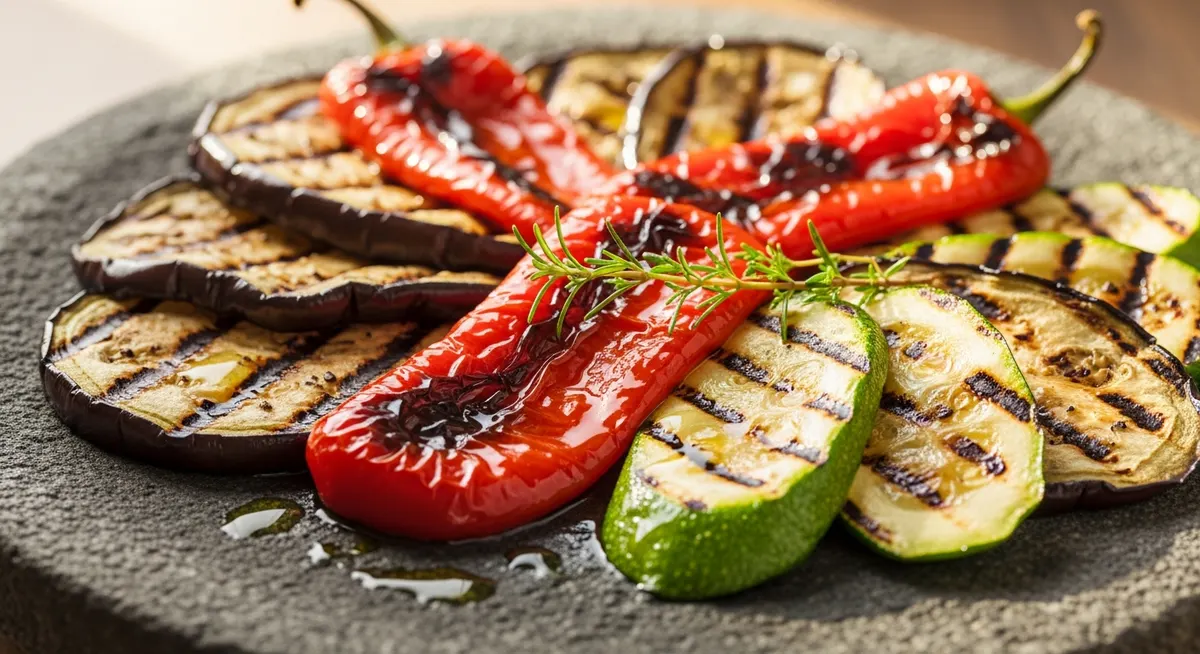
Bosnian cuisine follows the seasons closely, and the side dishes reflect what's growing. Summer brings shopska salata (tomatoes, cucumbers, onions, peppers, topped with grated white cheese), roasted peppers dressed simply with garlic and oil, and sliced tomatoes that actually taste like tomatoes — Herzegovina's hot, dry summers produce extraordinary flavour.
In autumn and winter, look for roasted root vegetables, bean soups (grah — a thick, hearty bean stew that's often meatless), and pickled vegetables that accompany almost every meal.
Ajvar and Kajmak
Ajvar is a roasted red pepper and eggplant relish — smoky, slightly sweet, and utterly addictive. It's made in enormous batches every autumn when the peppers are at their peak, then jarred for winter. Spread it on bread, serve it alongside grilled vegetables, or eat it straight from the jar with a spoon. Ajvar is naturally vegan and gluten-free.
Kajmak is a thick, clotted cream cheese — not quite butter, not quite cream cheese, something richer and more complex than either. It's made from slowly simmered milk, skimmed and layered over days. Kajmak is vegetarian (though not vegan) and gluten-free, and it transforms simple bread or grilled vegetables into something memorable. A bowl of kajmak, warm bread, and ajvar is a meal in itself — and one of the best meals in Bosnia.
Gluten-Free Options in Bosnian Cuisine
Here's the good news: much of traditional Bosnian cooking is naturally gluten-free. The cuisine developed before wheat flour became the foundation of everything, and many of its oldest dishes rely on meat, vegetables, dairy, and rice rather than bread or pastry.
- Sac-cooked dishes: Lamb, veal, or vegetables roasted under the iron bell with potatoes, onions, and herbs. No flour involved — just fire, iron, and time. The sac method predates ovens in this region.
- Grilled meats and vegetables: Bosnian grilling uses no breading or flour-based marinades. Grilled peppers, eggplant, courgette, and mushrooms are widely available.
- Bean dishes: Grah (bean stew) and prebranac (baked beans) are thickened by the beans' own starch, not by roux.
- Rice dishes: Stuffed peppers (punjene paprike) and dolma use rice as the base, though some versions include breadcrumbs — ask to confirm.
- Ajvar, kajmak, and cheese: All naturally gluten-free accompaniments.
What to avoid: Burek and all pita varieties (wheat phyllo), somun bread, ustipci (fried dough), and any dish described as "pohovan" (breaded). Cevapi contain bread filler in most recipes, so they're not reliably gluten-free despite appearing to be pure meat.
Tips for Communicating Dietary Needs
English is widely spoken in Mostar's restaurants, especially in the old town, but having a few phrases ready helps — particularly in smaller, family-run places where the owner does both the cooking and the serving.
- "Ja sam vegetarijanac/vegetarijanka" (m/f) — I am a vegetarian
- "Bez mesa" — Without meat
- "Bez glutena" — Without gluten
- "Da li ovo ima brasno?" — Does this contain flour?
- "Imam alergiju na..." — I have an allergy to...
Be specific about what "vegetarian" means to you. In Bosnia, vegetarian sometimes still means "no red meat" — chicken broth in a "vegetable" soup is common. If you're strictly plant-based, say "bez mesa, bez piletine, bez ribe" (no meat, no chicken, no fish) to cover all bases.
"Bosnian cuisine didn't need to invent plant-based dishes. The garden, the orchard, and the dairy have always been here — right alongside the grill."
Vegetarian Dining at Timber & Stone
At Timber & Stone Tavern, we've built our menu to honour the full breadth of Bosnian cuisine — including its rich vegetarian tradition. Our plant-based options aren't afterthoughts or concessions. They're dishes with centuries of history behind them.
- Imam Bayildi: Whole roasted eggplant stuffed with tomatoes, onions, and peppers. Vegan and gluten-free.
- Spinach Pastry (Zeljanica): Hand-stretched phyllo layered with spinach and local cheese. Vegetarian.
- Mezze Board: A selection of ajvar, kajmak, pickled vegetables, olives, and seasonal salads. A meal in itself — and mostly gluten-free (just skip the bread).
We're always happy to discuss ingredients and adapt dishes where we can. Call us at +387 62 607 906 or book your table online — and let us know about any dietary needs when you reserve. We'd rather prepare than improvise.